Acoustics and dynamic pressure
Electric arcs and predictive maintenance
Record the acoustic signature of an electric arc to characterize a piece of equipment, track its evolution and detect that it is about to fail.
Backed by measurements See the results
The need
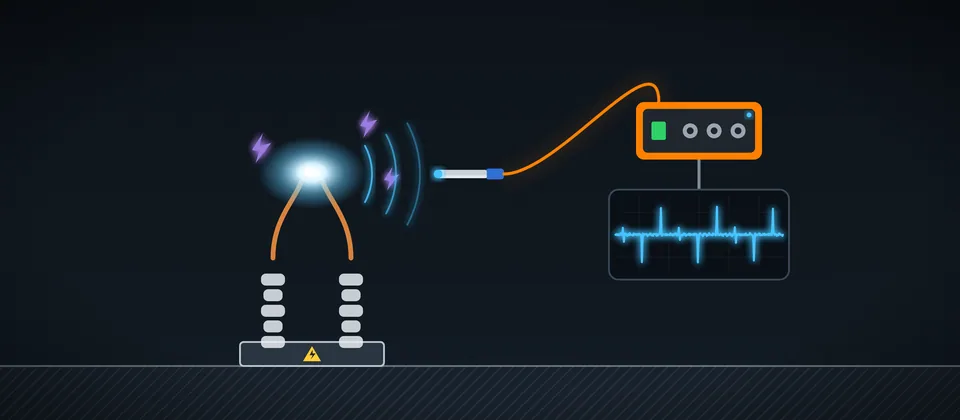
An electric arc produces a characteristic sound that depends on the equipment, the electrode gap and electrode wear. Once the usual sound signature of a piece of equipment is established, you can compare equipment or spot drift before failure.
Acoustic measurements can be combined with light measurements to follow the arc over time.
Why conventional sensors fall short
- The electromagnetic field of the arc disturbs electrical microphones and their cables.
- Near a high-voltage source, an electrical sensor creates a risk of discharge into the acquisition chain.
- Arc pulses are short: a wide bandwidth is needed to resolve them.
What fiber optics brings
- No conductor at the measurement point: no coupling with the arc, no electrical hazard
- Full galvanic isolation between the equipment and the acquisition system
- Pulses resolved up to several tens of kHz
- Analog signal and audio output for listening and archiving
Measurement results
We recorded the sound emission of an electric arc between two copper wires, varying the wire gap, to establish its usual sound signature.
Each discharge gives a clear pulse. Zooming in on one pulse shows its response and characteristic periods; at the limit of the acquisition system's sampling rate (1 MHz), the time between two maxima is 13 µs, i.e. about 76 kHz.
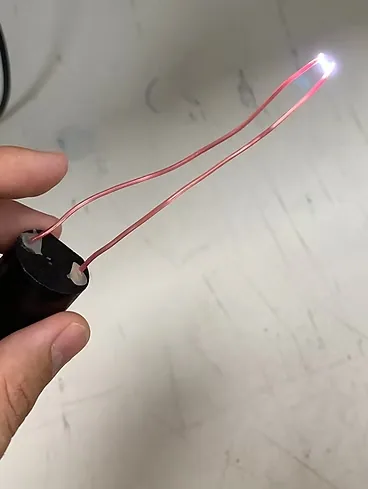
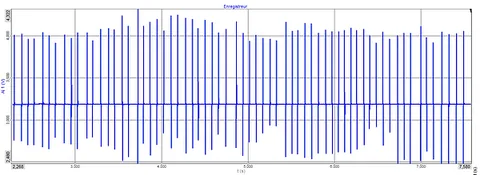
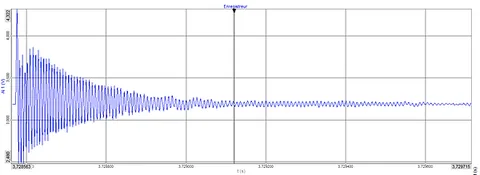
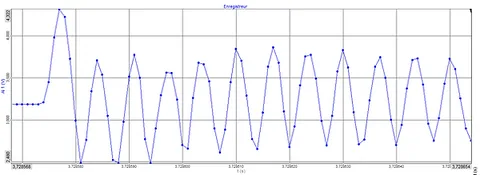
Phonoptics measurements.
Implementation
- The sensor sits near the equipment, at the chosen distance from the arc. Only the fiber links it to the conditioner.
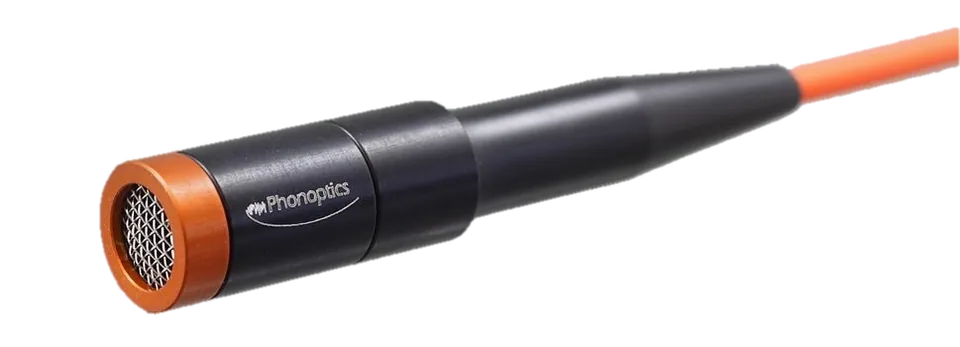
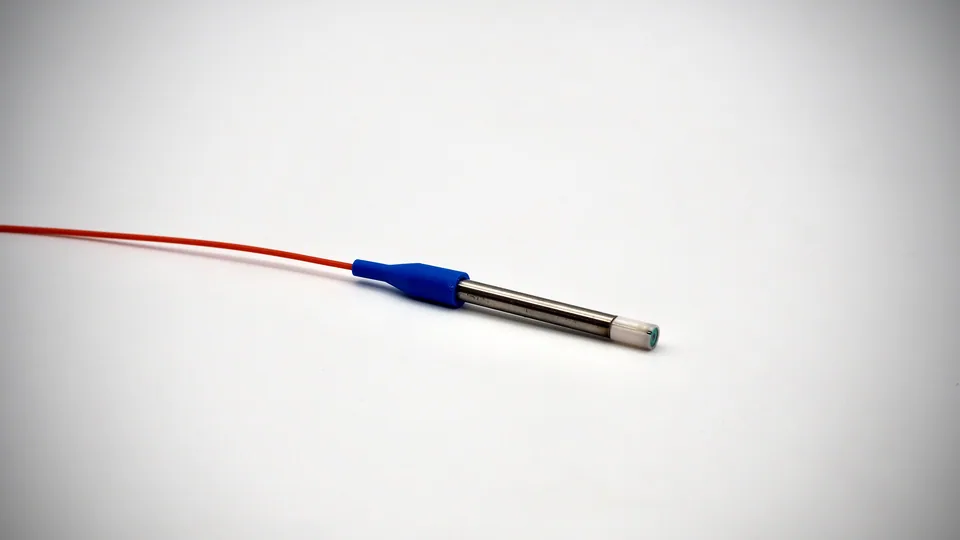
- Depending on the useful frequency band: an Evotis microphone for audible sound, an Alpheus sensor for fast pulses and ultrasound.
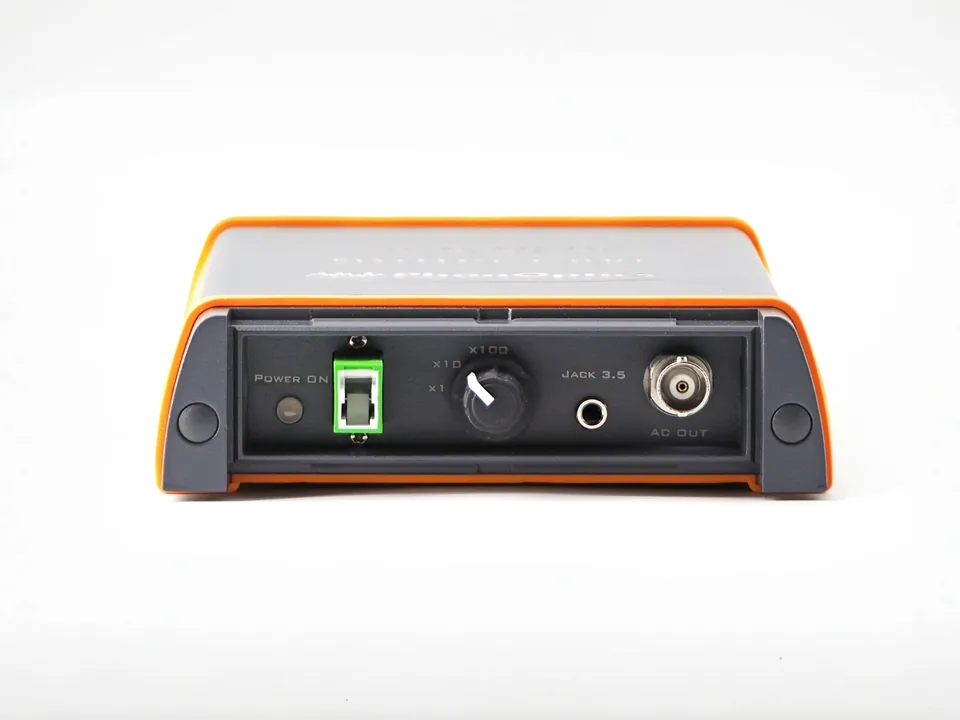
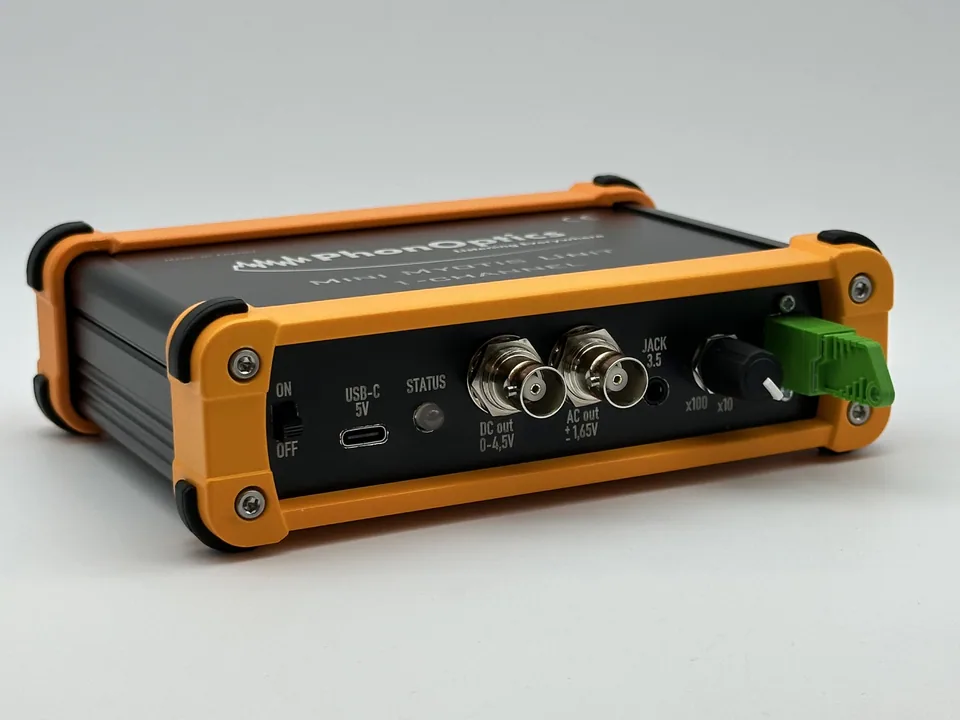
- The conditioner, kept in a safe place, delivers the analog signal and an audio output for listening.
- First record the reference signature of the equipment in good condition, then compare later measurements with it.
Products used
An application close to yours?
Tell us about your installation, the temperature range and what you need to detect: we will propose the right sensor, membrane and conditioner.
Other application cases
-
 Backed by measurements
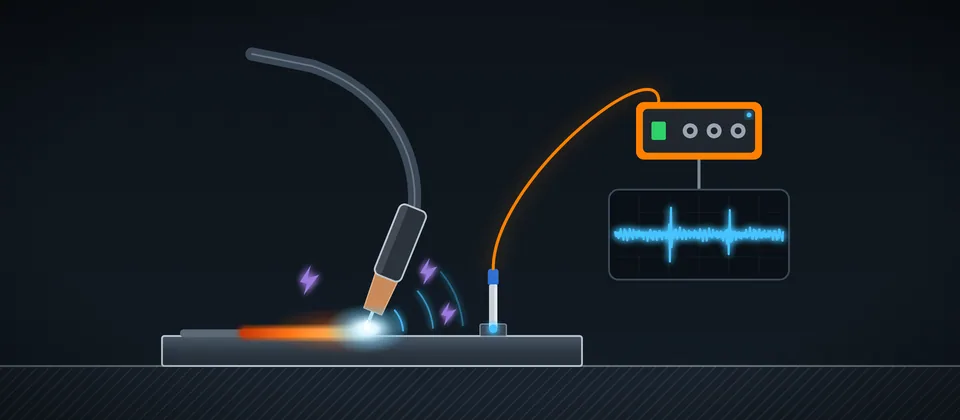
Weld monitoring: porosity and wire-stuck detection
Detect porosity and wire sticking live in TIG welding, right next to the arc, free from electromagnetic interference. View the case
-
 Backed by measurements
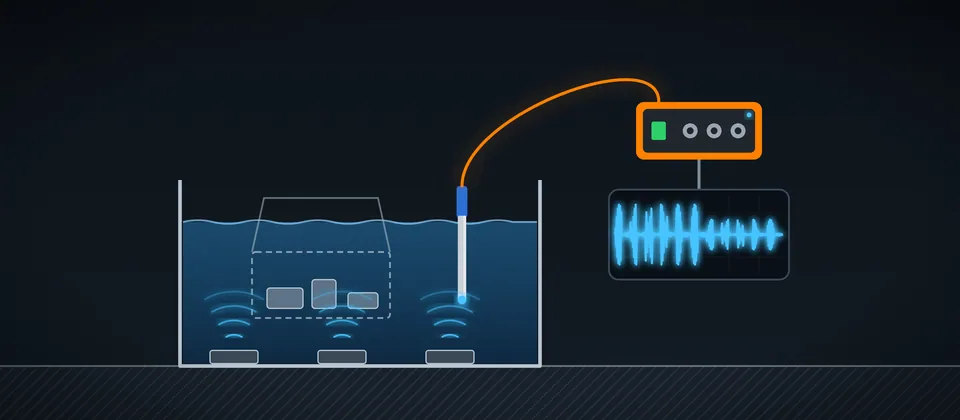
Ultrasonic cleaning bath testing
Measure inside the liquid the ultrasonic emission of a cleaning bath and its homogeneity, harmonics included. View the case
-
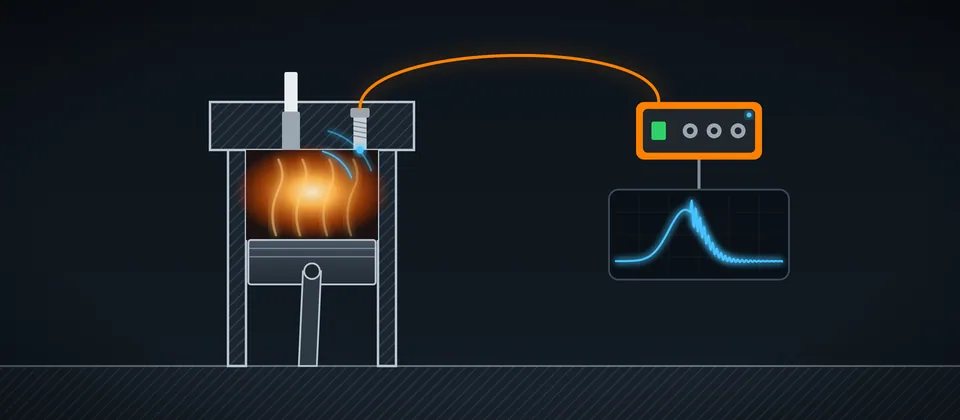 Combustion: instabilities, knock and exhaust
Measure dynamic pressure right next to the combustion, without cooling, up to 850 °C. View the case
-
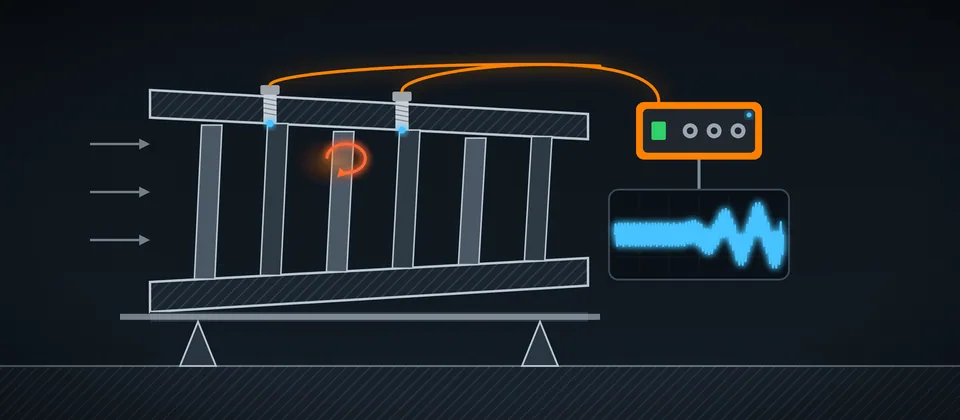 Preventing stall in turbochargers and gas turbines
Spot the precursors of rotating stall and surge from the dynamic pressure measured in the casing. View the case